

You may have noticed uneven temperatures around doors, windows, or poorly insulated walls, but spotting the exact source can be difficult without the right tools. A handheld thermal imaging camera lets you visualize heat loss in real time, turning invisible leaks into clear color‑coded images.
By using a camera designed for home energy audits, you can pinpoint problem areas, prioritize improvements, and ultimately reduce heating bills while increasing comfort. This guide explains the best handheld thermal imaging camera for home energy audits and shows how each option can fit your needs.
Top Picks
|
Category |
Product |
Price |
Score |
|---|---|---|---|
|
🏆 Best Value |
$169.99 |
90/100 |
|
|
💰 Best Budget Pro |
$152.99 |
96/100 |
|
|
⭐ Best Premium Performance |
$699.00 |
84/100 |
|
|
🚀 Best High Resolution |
$359.10 |
92/100 |
|
|
🎯 Best Wireless Connectivity |
$389.00 |
94/100 |
How We Chose
You should look for a camera that balances resolution, temperature range, and ease of use. Higher pixel counts such as 512 × 384 give clearer images of subtle leaks, while a wide temperature span lets you detect both cold drafts and hot spots.
Battery life and a water‑resistant build are important for moving around a house or stepping outside. Connectivity options like Wi‑Fi or USB make it simple to transfer images to a phone or computer for further analysis. Finally, price and user ratings help you gauge overall value and reliability.
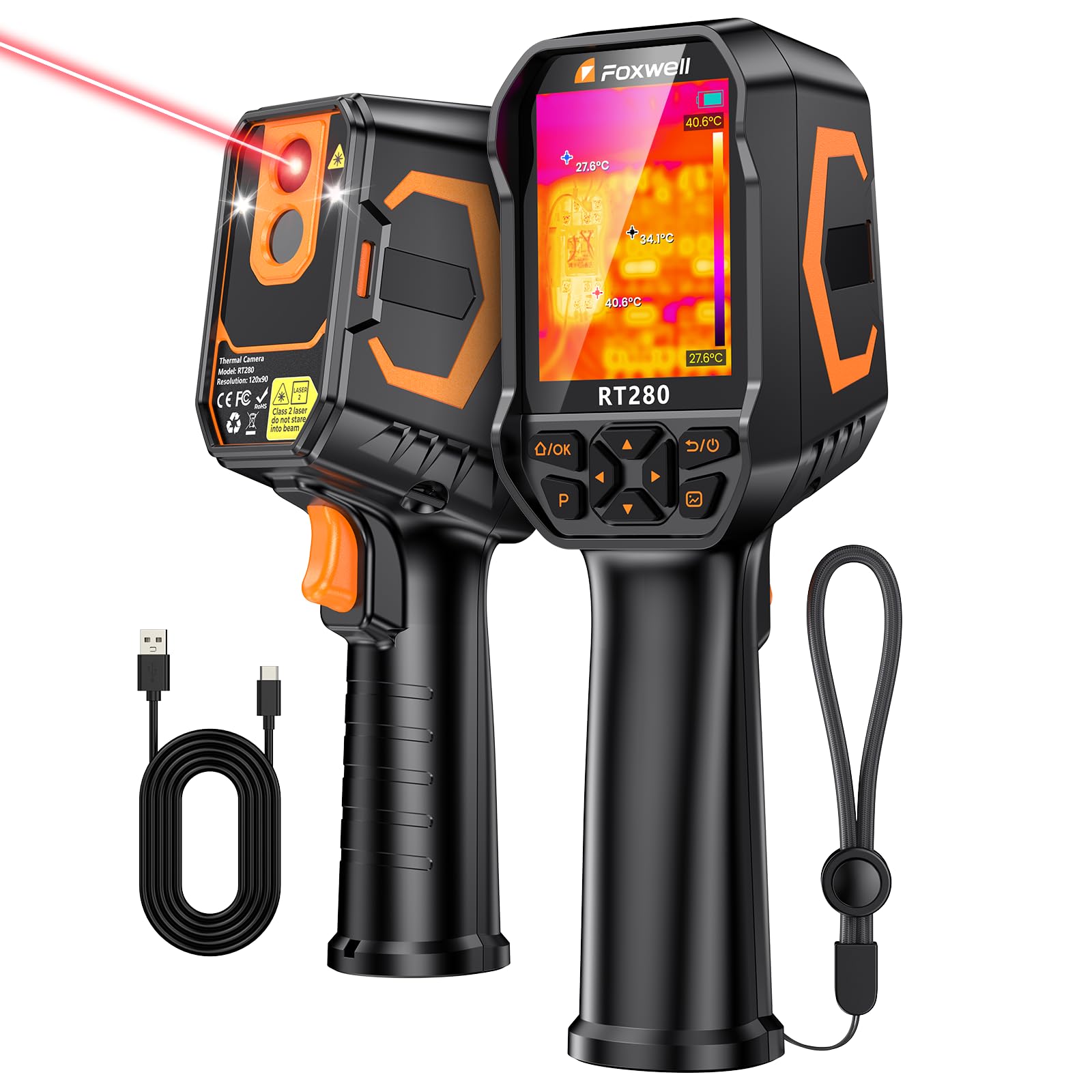
The FOXWELL RT280 feels like a compact assistant that lets you see temperature differences the moment you point it at a wall or window. Its 2.8‑inch LCD shows a clear orange‑tinted thermal picture, and the automatic exposure makes it easy to get useful images even in dim rooms.
You’ll find it handy for quick home‑energy audits, checking for drafts around doors, or spotting insulation gaps before winter arrives. If you’re looking for a reliable tool without a steep learning curve, this model is a solid choice for everyday inspections.
What People Say
Customers appreciate how the RT280 balances price and performance, noting that the thermal images are sharp enough to reveal hidden drafts without needing a professional. Reviewers also mention the convenience of the laser guide and the sturdy, water‑resistant design, which makes the camera feel durable for routine home checks.
Overall, users feel confident that the device delivers reliable data for quick energy assessments.
Speedy Inspections
The instant visual feedback means you can locate a leak in seconds instead of tearing down wall sections or waiting for a specialist report. Its 25 Hz frame rate and automatic exposure keep the camera ready for fast sweeps across large rooms, cutting down the time you spend hunting down problem areas.
Boosting Home Efficiency
By pinpointing cold spots and heat loss, the RT280 helps you target insulation upgrades where they matter most, which can translate into noticeable savings on heating bills. The clear thermal pictures also make it easier to explain issues to contractors, ensuring that improvements are focused and effective.
Why It Stands Out
- Water‑resistant body lets you work in damp basements or outdoors.
- Autofocus and laser pointer simplify locating the exact spot you want to examine.
- Built‑in video and photo capture let you document hot‑spots for later analysis.
Current Price: $169.99
Rating: 4.5 out of 5 (total: 298+)
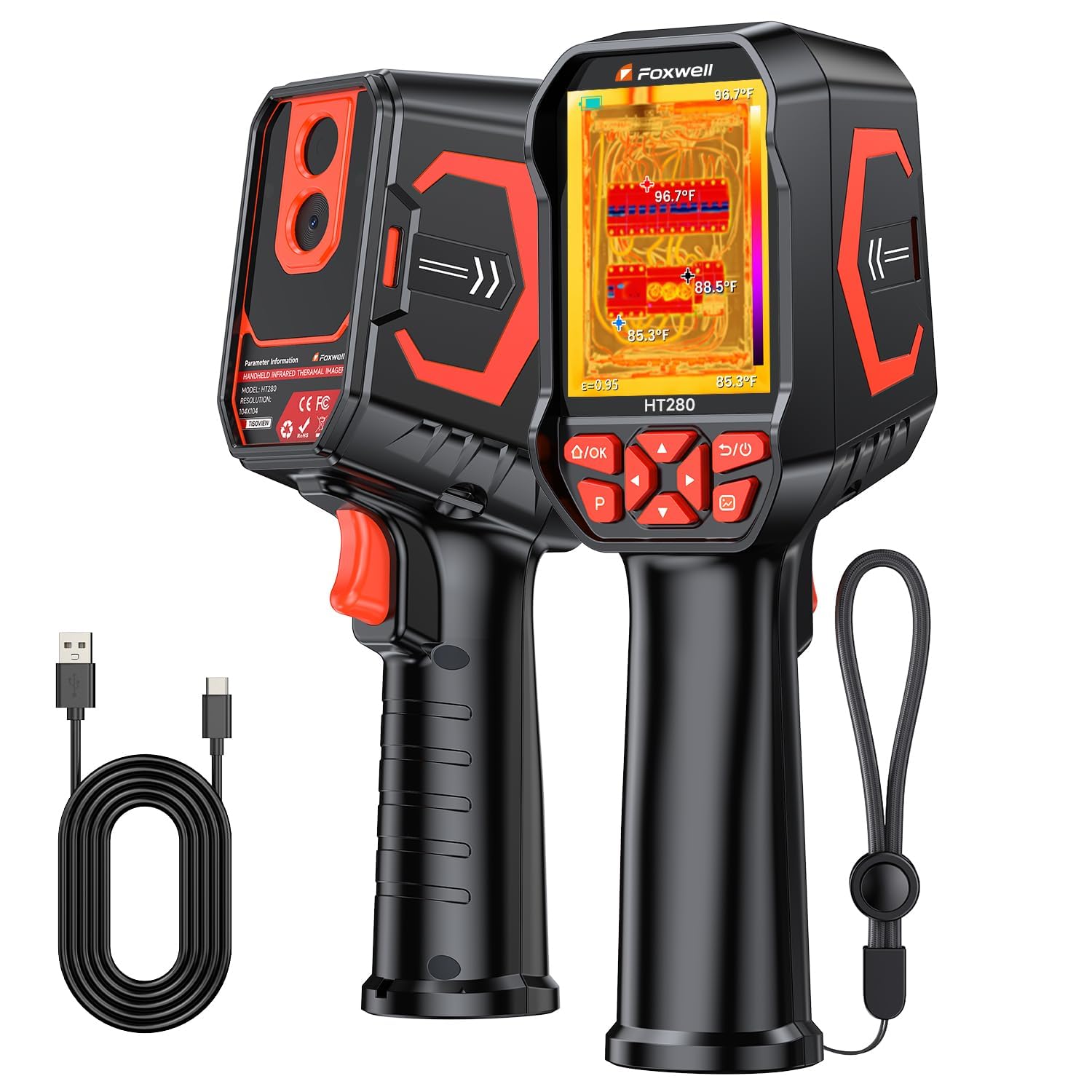
The FOXWELL HT280 is a compact, red‑cased camera that lets you see temperature differences the way you would with a digital thermometer, but across an entire surface. Its 2.8‑inch LCD displays clear thermal images, and the wide 260 × 260 temperature‑sensitive infrared sensor picks up both subtle drafts and hot spots.
You can use it indoors or outdoors, making it handy for routine home‑energy audits, checking HVAC ducts, or even spotting insulation gaps before a renovation. If you’re after a reliable tool that feels straightforward to operate, the HT280 fits nicely into the lineup of the best handheld thermal imaging camera for home energy audits.
What People Say
Reviewers consistently highlight the camera’s bright red design and its ease of use, noting that the autofocus and digital display make it simple to capture accurate thermal images on the first try. Many users appreciate the solid battery life and the fact that the unit works well both inside and on the exterior of a house, giving them confidence that the device can handle everyday inspection tasks without hassle.
Saves You Time
Because the HT280 produces instant thermal pictures, you can locate a draft or a hot spot in seconds instead of tearing down wall panels for a guesswork check. The USB port streamlines data export, so you spend less time copying files and more time planning improvements.
Energy Efficiency Gains
By revealing hidden heat loss quickly, the camera helps you target insulation upgrades where they matter most, which can lead to lower heating bills and a more comfortable home throughout the year.
Key Benefits
- Wide temperature range up to 500 °C for diverse inspection scenarios
- Built‑in rechargeable battery means you’re ready to scan right out of the box
- USB connectivity lets you transfer images to a computer for deeper analysis
Current Price: $152.99
Rating: 4.8 out of 5 (total: 130+)
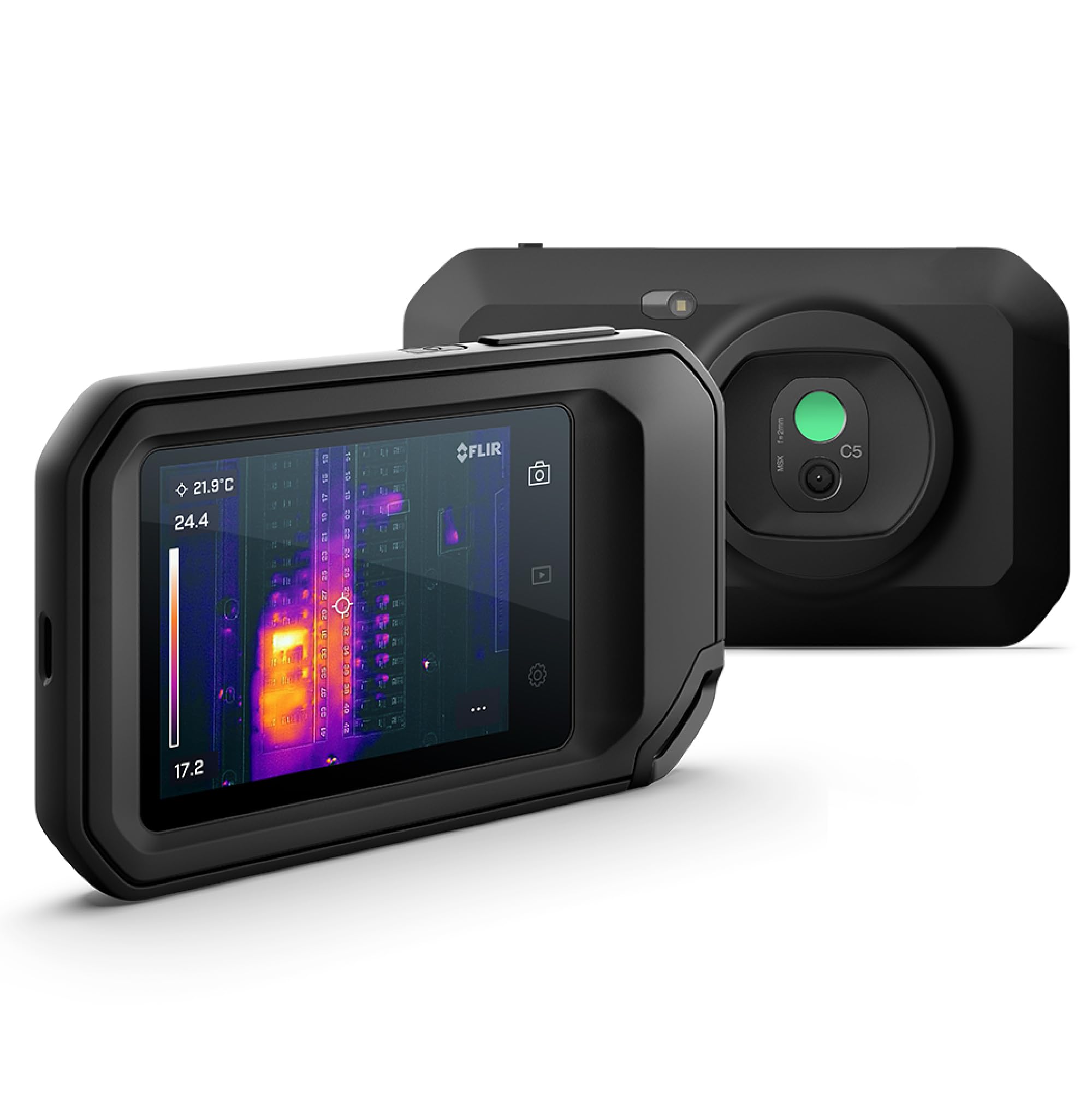
The FLIR C5 feels like a pocket‑sized inspector that instantly shows you temperature differences on a bright 3.5‑inch screen. With MSX technology the thermal image is blended with a visual picture, so you get clear edges that make it easy to spot drafts or hot spots around windows, doors, and ductwork.
Its waterproof design means you can take it outside for roof inspections or attic checks, and the built‑in Wi‑Fi lets you send images to your phone or computer for quick reporting. If you’re after a premium tool among the best handheld thermal imaging camera for home energy audits, the C5 offers a blend of durability and image clarity that fits both everyday checks and occasional professional‑grade inspections.
What People Say
Customers frequently point out that the C5’s image quality stands out, especially the crisp edges created by MSX blending. Reviewers also appreciate the simplicity of the Wi‑Fi transfer process and the robust, waterproof construction that lets them use the camera in a variety of environments.
Overall, users feel the camera delivers reliable thermal data without a steep learning curve.
Saves You Time
Because the C5 captures and uploads images wirelessly, you can move from room to room without pausing to copy files to a laptop. The intuitive interface means you can start scanning right away, cutting the time needed for a full home audit.
Boosts Energy Efficiency
By quickly visualizing where heat is escaping, the camera helps you prioritize insulation upgrades and seal leaks, which can translate into lower heating bills and a more comfortable living space.
Key Benefits
- Waterproof body lets you work in wet or outdoor conditions without worry
- Wi‑Fi connectivity enables wireless image transfer for easy documentation
- MSX fusion provides sharper detail than standard thermal images
Current Price: $699.00
Rating: 4.2 out of 5 (total: 1059+)
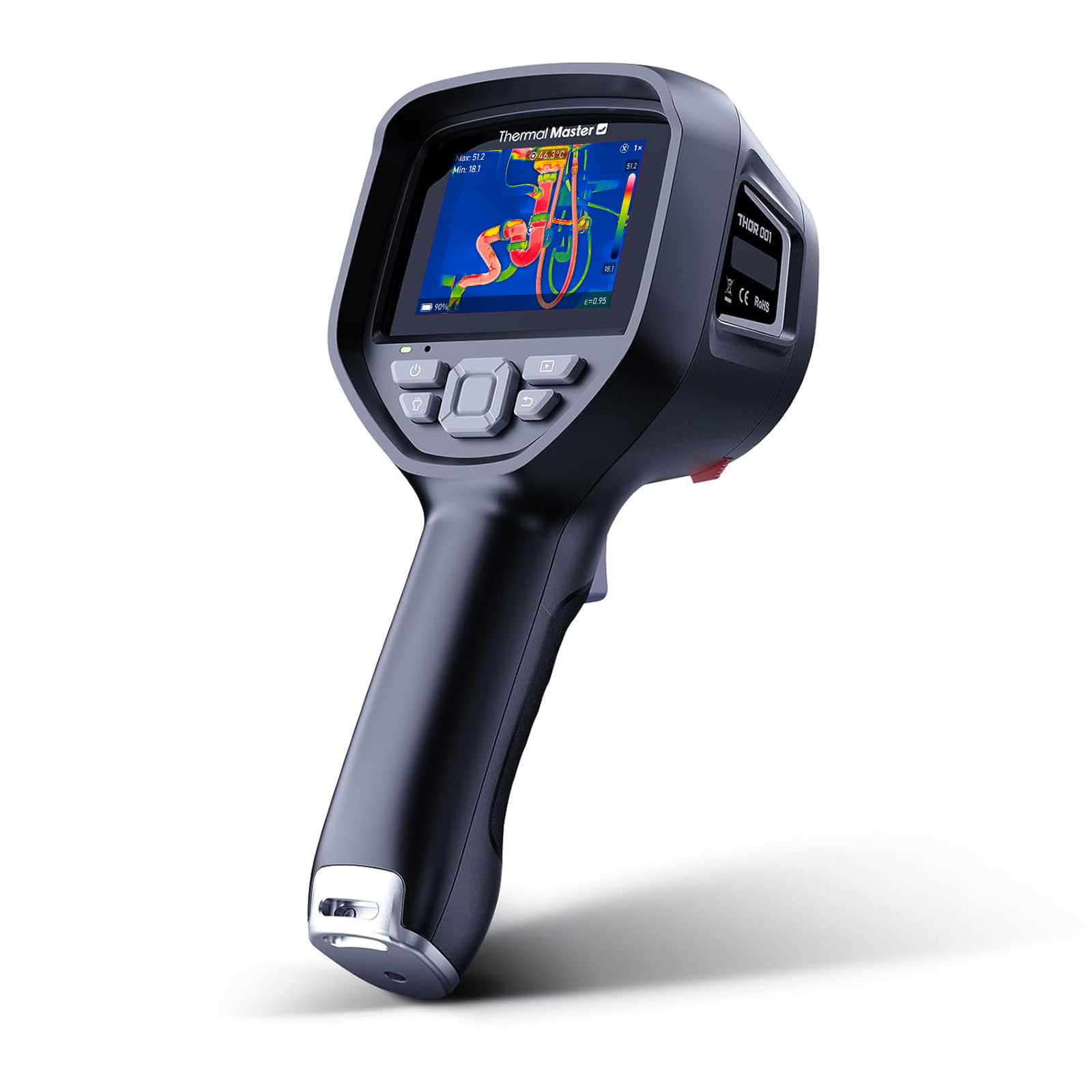
The Thermal Master Thor offers a step up in detail with its 512 × 384 sensor, giving you a clear picture of temperature differences across walls, windows, and ducts. The 3.5‑inch screen lets you see the thermal map right on the device, and the built‑in lithium‑ion battery means you can walk around the house without hunting for a power outlet.
It works well for everyday home‑energy audits as well as occasional professional‑grade inspections, so you get a versatile tool that fits into the lineup of the best handheld thermal imaging camera for home energy audits. If you need sharper imagery without sacrificing portability, the Thor is a solid choice.
What People Say
Reviewers regularly note the impressive image clarity that the high‑resolution sensor provides, saying it makes spotting tiny drafts much simpler. Many also highlight the comfortable grip and the generous screen size, which together reduce the effort needed for extended inspections.
Users appreciate the long‑lasting battery, allowing them to cover an entire home in one charge without interruption.
Saves You Time
Because the Thor captures detailed thermal images instantly and displays them on a big screen, you can identify problem areas in a single pass instead of revisiting rooms. The straightforward interface means you spend less time configuring settings and more time fixing leaks.
Boosts Energy Efficiency
By delivering precise thermal maps, the camera helps you target insulation upgrades and seal gaps where they matter most, leading to measurable reductions in heating costs and a more comfortable home environment.
Key Benefits
- High‑resolution 512 × 384 sensor reveals subtle heat patterns
- Large 3.5‑inch LCD makes framing and reading images easy
- Included rechargeable battery provides hours of continuous use
Current Price: $359.10
Rating: 4.6 out of 5 (total: 285+)
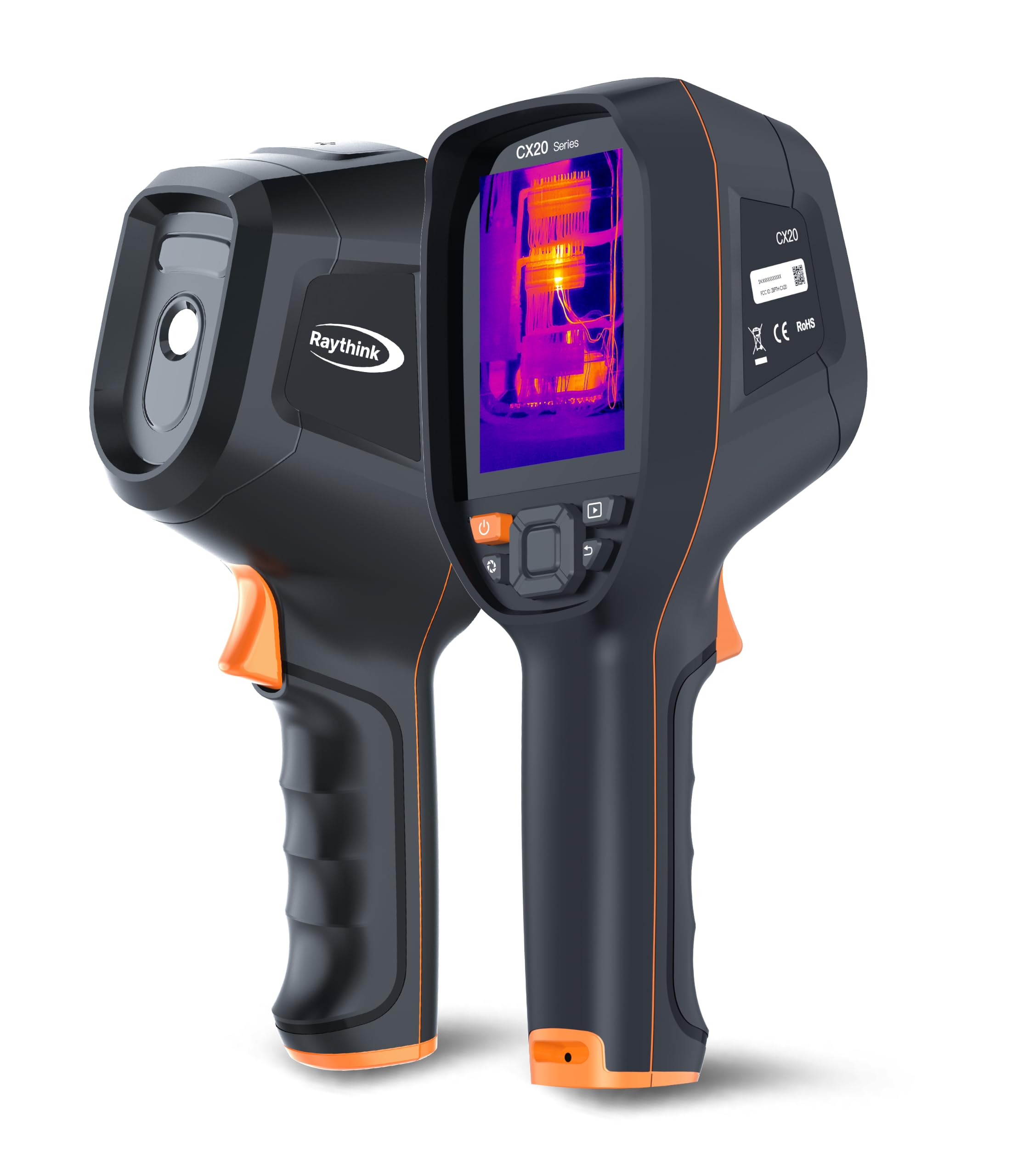
The Raythink CX20 gives you a surprisingly detailed thermal view on a 3.5‑inch screen, letting you spot heat leaks around windows, doors, and insulation with just a few sweeps. Its 512 × 384 sensor captures enough detail to make even small drafts visible, and the built‑in Wi‑Fi lets you push images straight to your phone or PC for quick analysis.
Whether you’re doing a routine home‑energy audit or need a portable tool for occasional contractor work, the CX20 offers a blend of clarity and convenience that fits nicely into the category of the best handheld thermal imaging camera for home energy audits. If you want a model that balances high resolution with easy data sharing, this one is worth a look.
What People Say
Users frequently mention the crisp images produced by the high‑resolution sensor, saying it makes detecting minor leaks much easier. Reviewers also value the smooth Wi‑Fi connection that lets them move images to a phone or computer without fiddling with cables. The generous internal storage gets positive remarks for handling multiple inspections in a single session, and overall customers feel the camera is straightforward to operate.
Saves You Time
Because the CX20 streams images directly to your phone, you skip the step of manually downloading files, which speeds up documentation and lets you move on to the next room faster. The intuitive interface also means you spend less time adjusting settings and more time locating problem spots.
Boosts Energy Efficiency
By quickly visualizing where heat is escaping, you can target insulation upgrades and sealing work more precisely, leading to lower heating costs and a more comfortable home environment.
Key Benefits
- High‑resolution 512 × 384 sensor reveals fine temperature differences
- Wireless app transfer simplifies sharing images for reports
- 32 GB built‑in storage lets you keep many scans without extra cards
Current Price: $389.00
Rating: 4.7 out of 5 (total: 24+)
FAQ
How do I choose the best handheld thermal imaging camera for home energy audits?
You should start by looking at the sensor resolution, because a higher pixel count lets you see smaller temperature differences that reveal hidden drafts. Next, check the temperature range; a device that measures from sub‑freezing up to about 500 °C will cover most household scenarios.
Battery life and a water‑resistant build are also important if you plan to move from room to room or step outside. Finally, consider how the camera connects to your phone or computer – wireless transfer makes it easy to save images for later analysis. Balancing these features with your budget will help you pinpoint the model that fits your needs as the best handheld thermal imaging camera for home energy audits.
Can I use these thermal cameras outdoors or in wet environments?
Yes, many of the models on the market, such as the FLIR C5 and the FOXWELL RT280, are rated as water‑resistant or waterproof, which means you can safely scan a roof, attic vent, or exterior wall during a rain shower. When you work outdoors, make sure the camera’s battery is fully charged and that you protect the LCD screen from direct sunlight, as excessive heat can affect the viewfinder.
If you’re using a camera without an official water‑resistance rating, keep it sheltered from splashes and limit exposure to moisture to avoid damaging internal components.
How do I read the thermal images to locate heat leaks in my home?
You’ll see a color‑coded picture where warm areas appear in reds and yellows and cooler spots show up in blues and purples. Focus on the edges of windows, doors, and insulation layers; a sudden shift from warm to cool color often indicates a leak. Use the camera’s spot‑meter or temperature alarm feature to get exact readings at suspicious points, and compare those numbers with the surrounding wall temperature. By mapping out these temperature gradients, you can prioritize which areas need sealing or additional insulation, turning the visual data into practical energy‑saving actions.
Wrapping Up
You now have a clear picture of the leading handheld thermal imaging cameras for finding heat leaks in your home. Whether you need an affordable model with solid performance, a premium device with sharp resolution, or a camera that syncs instantly to your phone, the selections above cover every priority.
Choosing the right camera will let you conduct thorough home energy audits, spot inefficiencies early, and make informed upgrades that keep your house comfortable while lowering utility costs.
This Roundup is reader-supported. When you click through links we may earn a referral commission on qualifying purchases.