
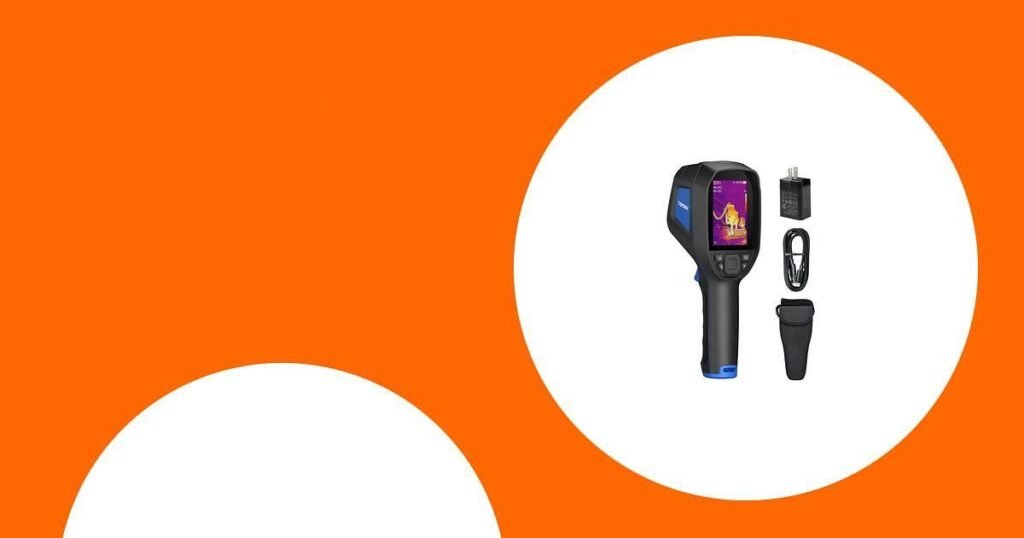
When winter temperatures drop, heat escapes through gaps and poorly insulated areas, increasing your energy bills and reducing comfort. A handheld thermal imaging camera lets you see temperature differences in walls, windows, doors and ducts, so you can pinpoint where heat is lost and take action.
By choosing the right device you gain a practical tool that saves money, improves comfort and helps you maintain a healthier home environment. This guide shows you which models deliver the accuracy, ease of use and affordability you need for reliable home energy inspection.
Top Picks
|
Category |
Product |
Price |
Score |
|---|---|---|---|
|
🏆 Best Value |
$299.00 |
88/100 |
|
|
💰 Best Budget Pick |
$142.49 |
92/100 |
|
|
🔋 Best Battery Life |
$129.98 |
85/100 |
|
|
📱 Best User‑Friendly Display |
$89.99 |
80/100 |
|
|
🚀 Best Pro‑Grade Performance |
$699.00 |
95/100 |
How We Chose the Best
We compared each camera on the basis of thermal resolution, temperature range, battery endurance, display clarity and overall ergonomics. Price performance was weighed against the features that matter most for home energy inspection, such as real‑time temperature readouts and the ability to capture images for later analysis. Durability, warranty and user feedback were also considered to ensure the device will hold up during repeated indoor and occasional outdoor use.

The TOPDON TC004 feels like a small handheld TV that shows you temperature differences in real time. You can swing it over walls, windows or ducts and instantly see hot spots and drafts, which makes it a solid choice for the best handheld thermal imaging camera for home energy inspection.
It’s lightweight enough to carry around the house, yet the 3.5″ screen is big enough to read the temperature readouts without squinting. I find it handy for quick seasonal checks and also for more thorough projects like sealing insulation gaps. If you want a reliable device that balances features with price, this one fits the bill.
What People Say
Customers appreciate how the camera quickly highlights problem areas without needing a professional. Many mention the intuitive interface and the solid build that survives occasional drops.
The battery life and the broad temperature range also receive frequent praise, with users noting that it delivers reliable readings for both cold‑weather checks and routine home maintenance.
When It Helps Most
|
Situation |
How It Helps |
|---|---|
|
Checking windows for drafts in early winter |
Shows temperature differences across the glass, helping you locate leaks to seal |
|
Inspecting attic insulation before the heating season |
Highlights thin spots in insulation so you can add material where it’s needed most |
|
Diagnosing uneven heating in radiators |
Identifies cold sections, guiding you to flush or rebalance the system |
|
Spotting overheating electrical outlets |
Detects hot spots that could indicate a wiring issue before it becomes dangerous |
Ideal For
Intermediate
Key Benefits
- Wide temperature range captures both freezing leaks and overheating spots
- Built‑in battery lets you work cordless for up to several hours
- Clear 3.5″ display simplifies reading temperature data
- Compact size fits comfortably in one hand for easy scanning
Current Price: $299.00
Rating: 4.6 (total: 859+)
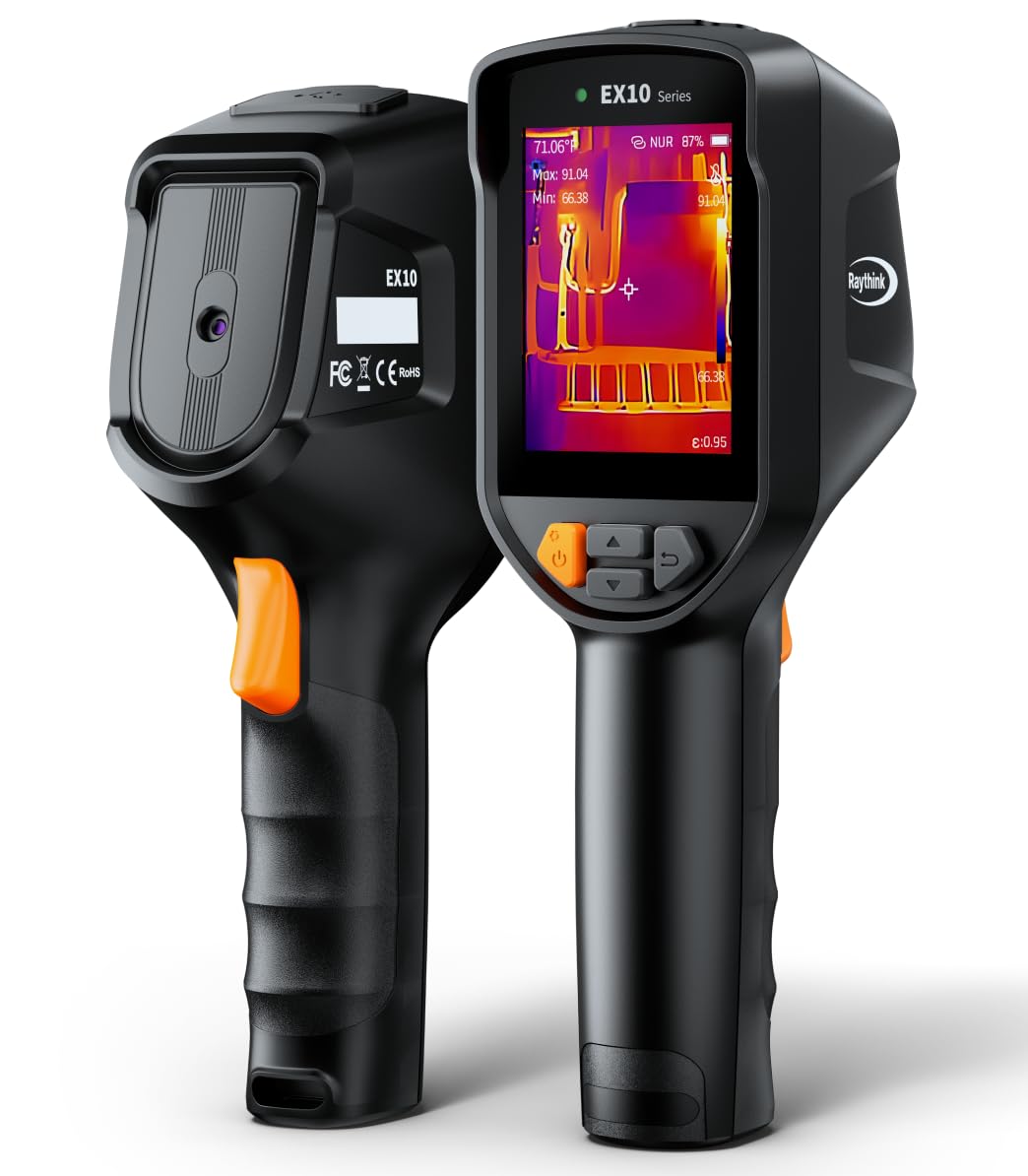
The Raythink EX10 is a pocket‑sized thermal imager that lets you see temperature differences on a bright 2.8″ screen. It’s a solid candidate for the best handheld thermal imaging camera for home energy inspection because the high‑resolution sensor catches subtle heat leaks that lower‑end units miss.
You can walk around your house, point at a wall or window, and instantly spot drafts or insulation gaps. Its lightweight design makes it easy to carry up stairs or into the attic, so whether you’re doing a quick spot‑check or a more thorough winter readiness audit, this camera fits nicely into your toolbox.
What People Say
Buyers highlight the crisp image quality that makes it simple to locate cold spots, even through thin layers of paint. The screen size and user‑friendly interface receive steady praise, as does the reliable battery that lasts through multiple inspections.
Overall, users feel the EX10 delivers professional‑grade performance without the bulk or price of higher‑end models.
When It Helps
|
Situation |
How It Helps |
|---|---|
|
Scanning windows for winter drafts |
Shows temperature contrast across glass, helping you find sealing gaps |
|
Checking attic insulation before heating season |
Highlights thin insulation patches so you can add material where it’s needed |
|
Diagnosing uneven heating in baseboard radiators |
Reveals cold spots along the unit, pointing to possible blockages |
|
Locating overheated electrical outlets |
Detects hot spots that could signal wiring issues before they become hazardous |
Best For
Beginner
Key Benefits
- 320×240 sensor provides clear, detailed thermal images
- Large 2.8″ LCD makes temperature readings easy to read
- Rechargeable lithium‑ion battery offers hours of use
- Compact size lets you store it in a pocket or toolbox
Current Price: $142.49
Rating: 5 (total: 9+)

The AMPBANK H128 packs a surprisingly capable thermal sensor into a small green body that you can hold in one hand. Its 240 × 240 resolution gives you clear images of temperature differences, which makes it a contender for the best handheld thermal imaging camera for home energy inspection.
You’ll find it handy for everyday checks like spotting drafts around doors, as well as deeper projects such as evaluating attic insulation before the cold sets in. With a full day of battery on a single charge, you can move from room to room without worrying about power, and the lightweight design means it won’t feel cumbersome during longer inspections.
If you want a balanced device that blends performance with endurance, this model is worth a look.
What People Say
Customers frequently note the impressive battery endurance, saying it lets them complete full‑house inspections without a recharge. The image clarity at the 240 × 240 resolution is also highlighted as a strong point, making it easy to differentiate warm and cold spots.
Reviewers appreciate the intuitive controls and the sturdy, but lightweight, build that holds up to occasional drops. Overall, users feel the H128 delivers reliable performance for its price tier.
When It Helps
|
Situation |
How It Helps |
|---|---|
|
Checking exterior walls for heat loss before winter |
Displays temperature gradients that reveal poorly insulated sections |
|
Scanning drywall after a renovation |
Identifies hidden gaps or missing insulation behind the surface |
|
Inspecting HVAC ducts for leaks |
Shows warm air escaping from joints, guiding targeted sealing |
|
Monitoring electrical panels for overheating |
Detects hot spots that could indicate wiring issues |
Best For
Intermediate
Key Benefits
- 24‑hour battery life lets you scan an entire house on one charge
- 240 × 240 resolution provides clear thermal detail
- Compact size and lightweight build for easy handling
- Green casing includes a built‑in stand for hands‑free use
Current Price: $129.98
Rating: 4.5 (total: 516+)
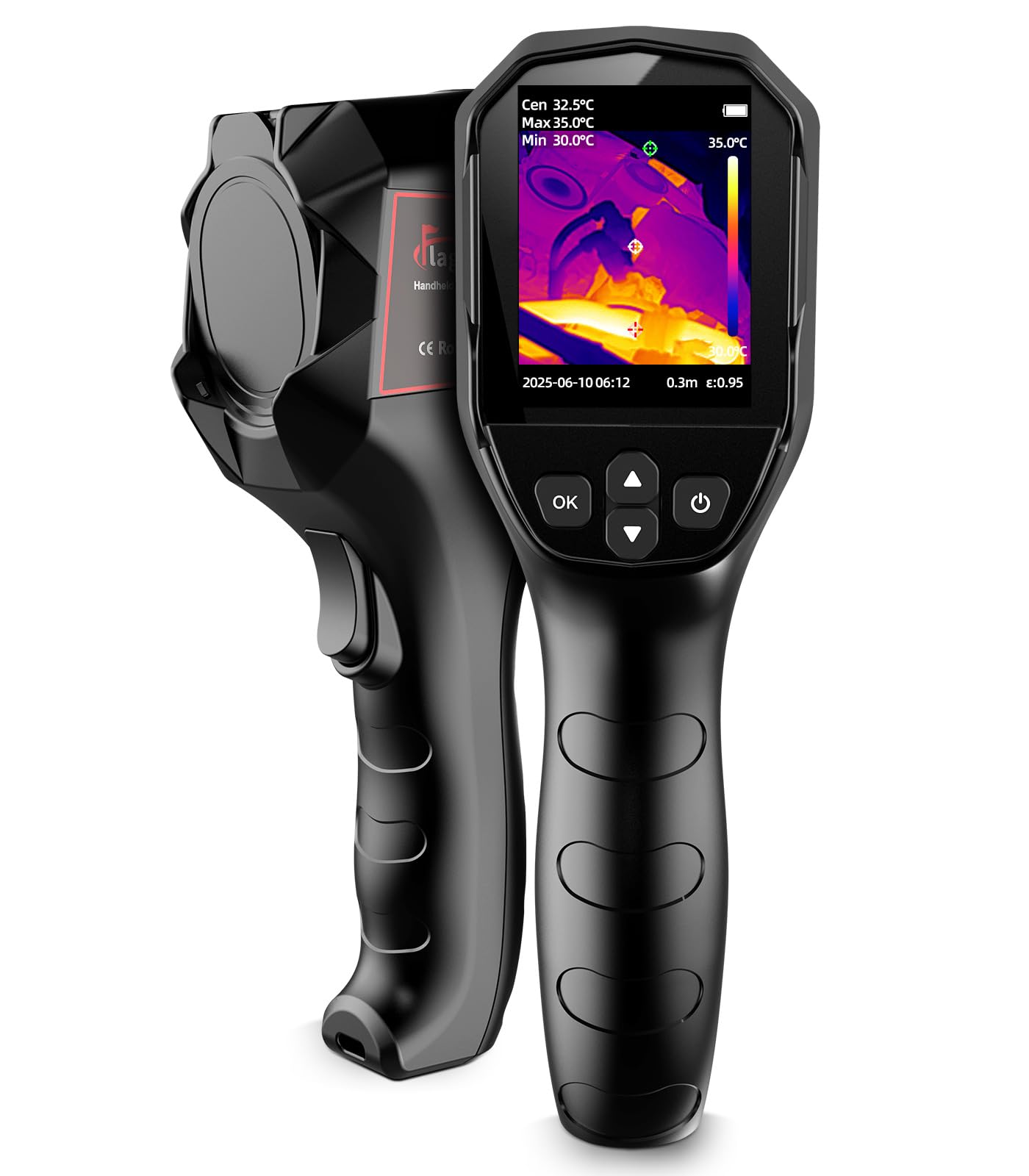
The Flagfront YXI96 is a compact handheld that lets you spot heat loss with a bright, oversized screen. Its 240 × 240 resolution and fast 25 Hz refresh give you clear images, making it a solid pick for the best handheld thermal imaging camera for home energy inspection.
You can walk around your house checking windows, walls or ductwork, and the intuitive controls let you capture photos or video without a steep learning curve. Whether you’re doing a quick spot check before a heating bill arrives or a thorough winter prep, this camera offers good performance at a wallet‑friendly price.
What People Say
Reviewers consistently highlight the sharp image quality that makes it simple to locate cold spots and air leaks. The big screen and straightforward button layout receive praise for ease of use, especially for first‑time owners. Users also note the battery holds up well during full‑day checks and that the unit feels sturdy enough to survive a few knocks.
Overall, customers feel the YXI96 offers reliable performance at an affordable price point.
When It Helps
|
Situation |
How It Helps |
|---|---|
|
Inspecting windows for drafts before the first freeze |
Shows temperature variance across the glass, pinpointing gaps to seal |
|
Scanning attic insulation after adding new batts |
Reveals uneven heat patterns that indicate missed spots |
|
Checking HVAC ducts for leaks |
Detects warm air escaping from joints, guiding targeted repairs |
|
Locating overheated electrical panels |
Identifies hot spots that could signal wiring concerns |
Best For
Beginner
Key Benefits
- Large display makes temperature data easy to read
- 240 × 240 resolution delivers clear thermal images
- Long‑lasting battery supports extended inspections
- Durable housing survives accidental drops
Current Price: $89.99
Rating: 4.4 (total: 332+)
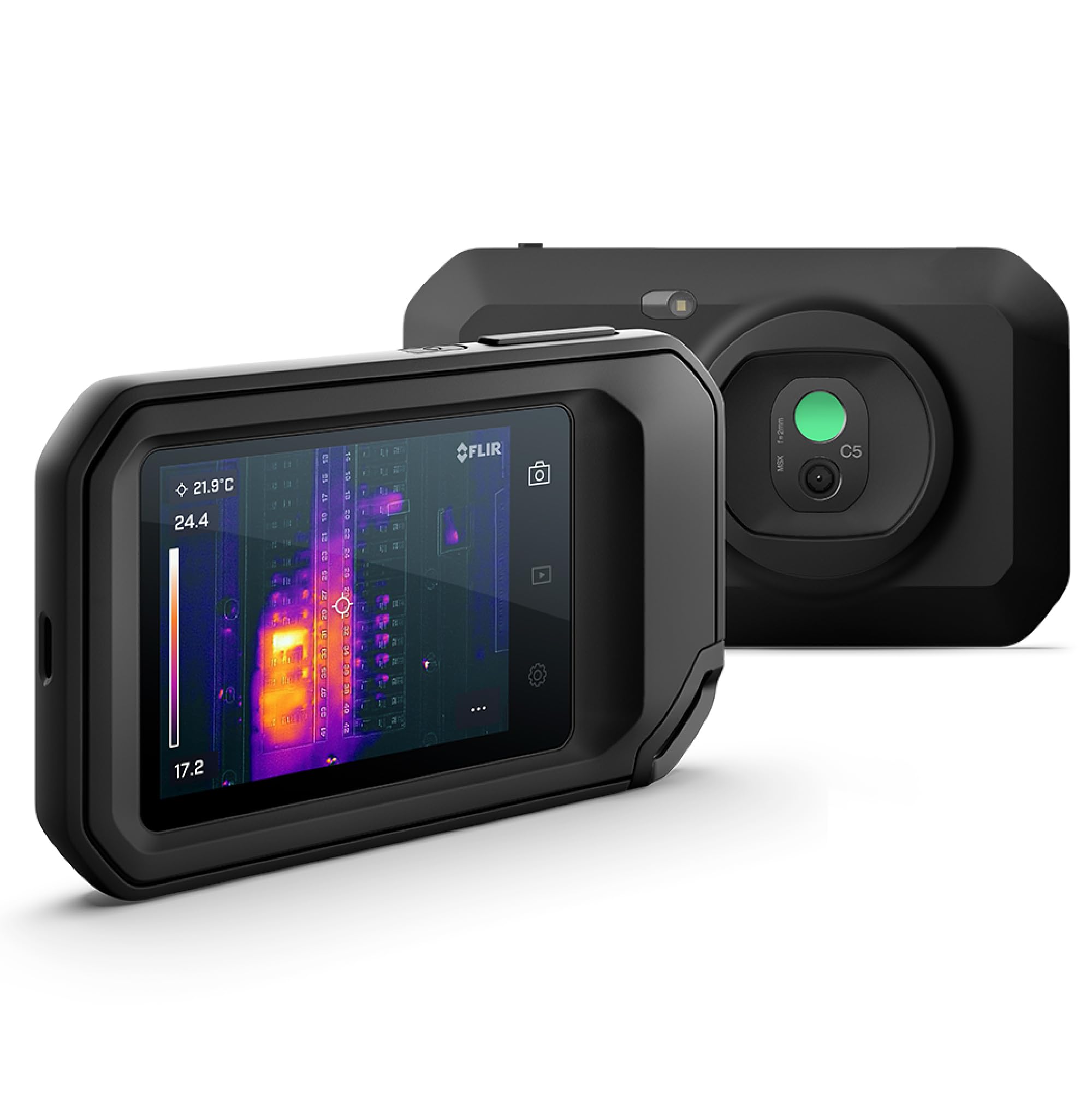
The FLIR C5 is a premium handheld that blends a solid build with smart features, making it a strong contender for the best handheld thermal imaging camera for home energy inspection. Its 3.5″ LCD screen, MSX image‑enhancement and Wi‑Fi connectivity let you capture clear thermal pictures and instantly share them to a phone or tablet.
You can walk through a house checking windows, walls or ductwork, and the waterproof design means you aren’t limited to indoor scans only. If you need a reliable, professional‑grade tool that also works on the go, the C5 is worth considering.
What People Say
Customers repeatedly note the rugged construction that survives field use and the intuitive interface that gets you up and running fast. The MSX technology and bright screen are praised for making temperature differences easy to see, while the Wi‑Fi link is highlighted as a convenient way to store and share images.
Reviewers also appreciate the long battery life and the fact that the device holds its calibration over time, describing it as a dependable tool for regular home inspections.
When It Helps
|
Situation |
How It Helps |
|---|---|
|
Scanning exterior walls for leaks during a winter storm |
Waterproof design and clear display let you work in wet conditions while spotting temperature gaps |
|
Documenting insulation defects for a contractor report |
Wi‑Fi transfer lets you quickly send annotated images to a laptop or phone |
|
Checking HVAC ducts in a crawl space |
Compact size and MSX clarity reveal subtle heat loss points in tight spaces |
|
Evaluating solar panel hot spots on a sunny day |
Accurate temperature readings help you identify overheating panels efficiently |
Best For
Advanced
Key Benefits
- Waterproof housing lets you scan outdoors without worry
- MSX overlay sharpens thermal images for easier interpretation
- Built‑in Wi‑Fi enables quick image transfer to mobile devices
- Large 3.5″ LCD screen provides clear temperature readouts
Current Price: $699.00
Rating: 4.2 (total: 1059+)
FAQ
How do I choose the best handheld thermal imaging camera for home energy inspection?
You should start by looking at the resolution, because a higher pixel count gives you clearer temperature differences. A sensor that can read from below freezing to over 1000 °F lets you capture both cold drafts and hot leaks.
Battery life matters too; a camera that lasts several hours lets you move from room to room without recharging. If you plan to share images with a contractor, pick a model with Wi‑Fi or easy USB transfer.
Finally, consider the price‑to‑feature balance – you don’t need a professional‑grade unit if you only need occasional checks, but a mid‑range model often provides the sweet spot of accuracy and ease of use.
Can a handheld thermal camera really save me money on heating bills?
Yes, when you use the camera to locate drafts, missing insulation or overheating ducts, you can fix those issues and reduce heat loss. By spotting a cold spot around a window or a gap in the wall, you know exactly where to add weather‑stripping or extra insulation, which prevents warm air from escaping.
Over time those fixes can lower your heating demand and translate into noticeable savings on your energy bill.
Do I need special training to interpret thermal images for home inspections?
You don’t need a formal course, but it helps to understand a few basic concepts. Warm areas appear in reds or whites, while cooler spots show up in blues or purples; most cameras let you switch color palettes to suit the view.
Look for temperature gradients rather than isolated pixels – a smooth transition usually means normal heat flow, while a sharp contrast often signals a leak or insulation gap. With a little practice, you’ll be able to read the images intuitively and make confident decisions about where to improve your home’s energy efficiency.
Wrapping Up
Selecting a handheld thermal camera that matches your budget and inspection needs will make winter energy audits faster and more accurate. Whether you need a low‑cost model with solid resolution, a device that lasts through a full day of scanning, or a professional‑grade camera with advanced connectivity, the options above cover the main priorities for homeowners.
Use the information in this guide to choose the tool that helps you locate heat loss, improve insulation and ultimately lower your heating costs.
This Roundup is reader-supported. When you click through links we may earn a referral commission on qualifying purchases.