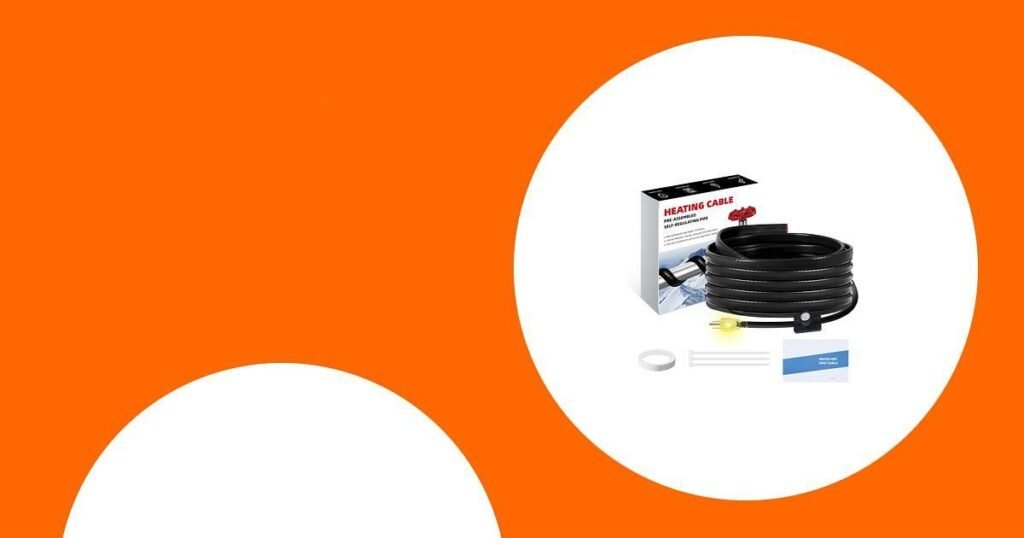
You may have already experienced the chill of a frozen pipe and the costly repairs that follow. This winter, keeping your water lines warm is not a luxury but a practical way to protect your home and avoid inconvenient disruptions.
A self regulating pipe heating cable with built in thermostat automatically adjusts its heat output, so you don’t have to monitor it constantly. By choosing the right cable you gain peace of mind, lower energy use, and a reliable safeguard against the harsh cold.
Top Picks
|
Category |
Product |
Price |
Score |
|---|---|---|---|
|
🏆 Best Overall |
$13.99 |
86/100 |
|
|
💰 Best Value |
$23.90 |
91/100 |
|
|
⭐ Best Compact Length |
$23.38 |
88/100 |
How We Chose the Best
You want a heating cable that actually prevents freezing without wasting electricity, so we focused on products that feature a self regulating design with an integrated thermostat. Reliability was measured by rating averages and the number of reviews, while ease of installation mattered because most homeowners will apply the cable themselves. Price was compared against the length and power output to ensure you receive a fair balance of cost and performance. Finally, we considered the specific materials each cable protects, because PVC, metal and plastic pipes each have different heat retention needs.
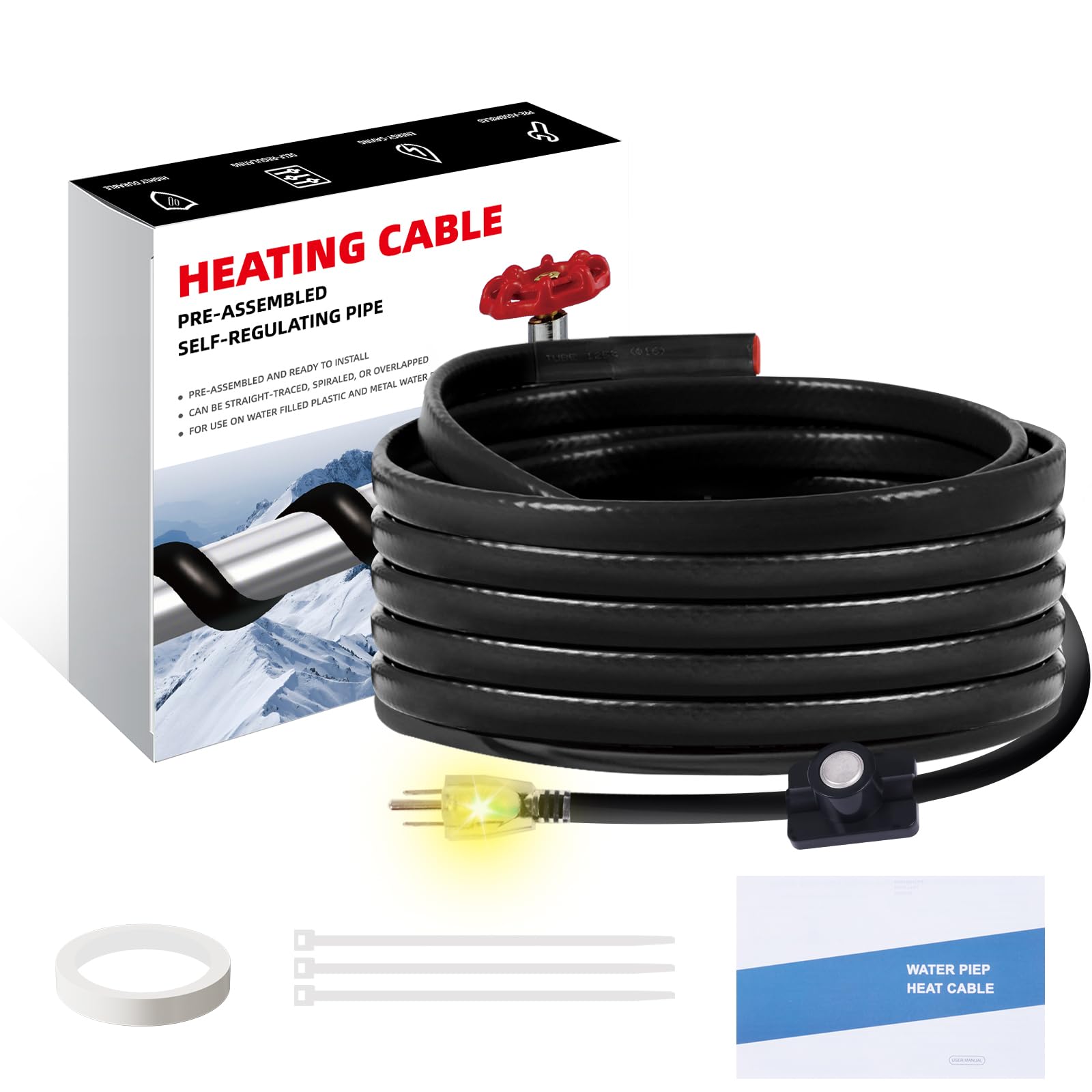
You’ll find this cable handy for keeping water lines in basements, crawl spaces, or even in a garage workshop. The self regulating pipe heating cable with built in thermostat automatically adjusts its heat output, so you don’t have to keep an eye on it. It’s long enough to wrap around most residential runs, and the installation steps are straightforward enough that you can do it on a weekend without calling a pro.
If you’re looking for a low‑cost way to protect against burst pipes this winter, this product fits the bill.
What People Say
Customers generally appreciate how quickly the cable warms up and how reliable it feels during cold snaps. Reviewers often mention the straightforward installation process and the peace of mind that comes from the built‑in thermostat managing heat on its own. The price point also gets positive remarks, especially compared to longer or more complex systems.
|
Pros |
Cons |
|---|---|
|
✅ Effective freeze protection |
❌ Length may be short for extensive pipe networks |
|
✅ Affordable price |
❌ Plastic connectors feel a bit flimsy |
|
✅ Simple installation |
❌ No remote control or smart features |
|
✅ Compact storage |
Problem‑Solving Ability
The cable reliably prevents water pipes from freezing even when temperatures dip well below zero, making it a solid guard against burst pipes in both metal and PVC installations.
Indoor / Outdoor Usability
Primarily intended for indoor use such as basements and crawl spaces, but it can be employed in sheltered outdoor areas where it stays protected from direct weather exposure.
Key Benefits
- Self‑regulating heat adjusts automatically to temperature changes
- Built‑in thermostat conserves energy while staying effective
- 18‑foot length covers most home pipe runs
- Easy installation with clear instructions and minimal tools
Current Price: $13.99
Rating: 4.4 (total: 35+)
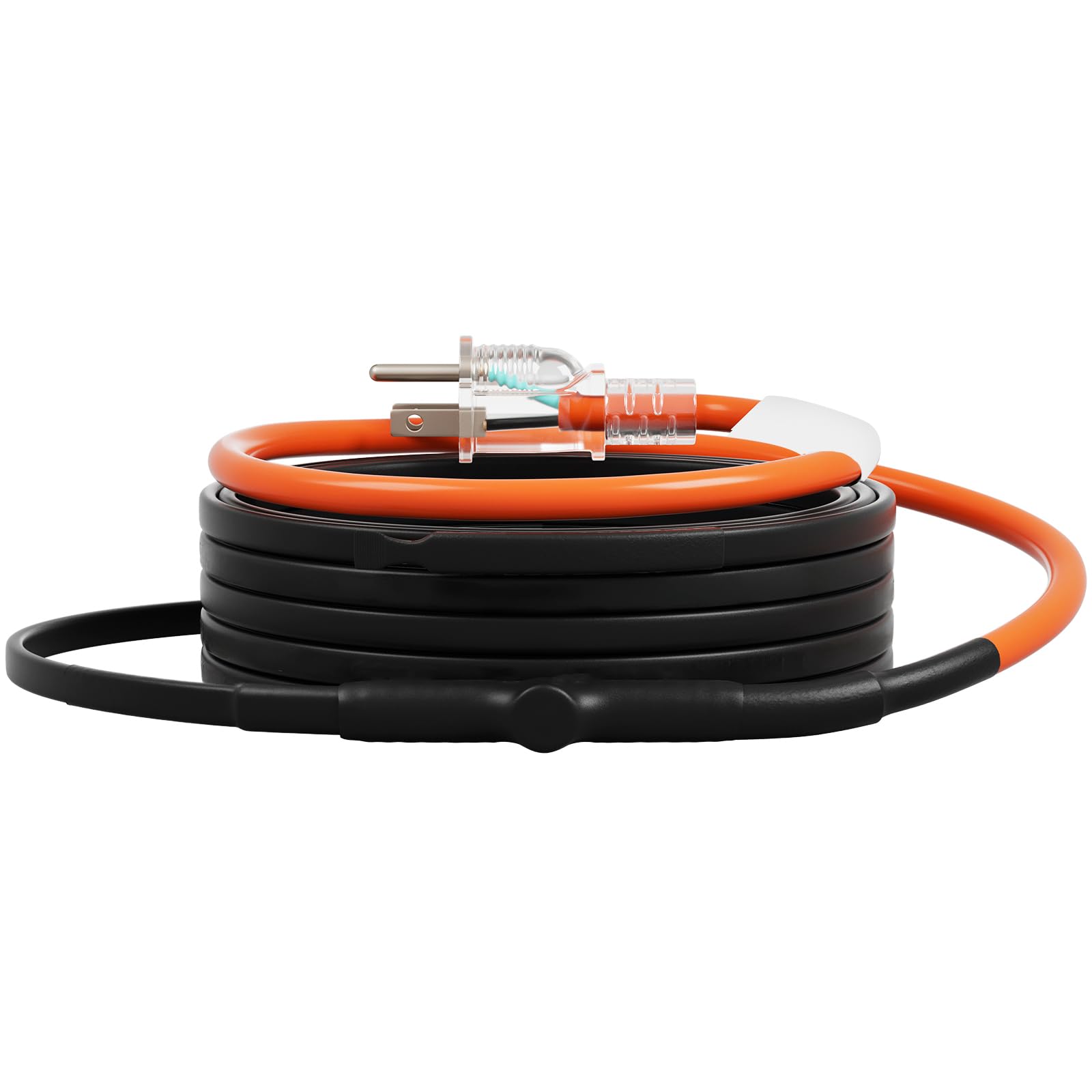
You’ll notice this tape is a versatile solution for keeping any water line—from a garden hose to a basement pipe—warm when the temperature drops. The self regulating pipe heating cable with built in thermostat senses the surrounding cold and boosts heat only when it’s needed, which saves energy. It comes in a 15‑foot length that can handle longer runs without the need for splicing, and the flexible fiberglass cloth makes it easy to wrap around curved sections.
If you’re looking for a reliable way to avoid burst pipes this winter, this product fits nicely into a DIY toolkit.
What People Say
Buyers frequently comment on how quickly the tape heats up and how dependable it feels during prolonged cold spells. The installation process gets repeated praise for being simple and well‑explained, and many note that the price offers solid value given the length and performance. Overall, users seem confident that the cable does what it promises without complications.
|
Pros |
Cons |
|---|---|
|
✅ Strong freeze protection for multiple pipe materials |
❌ Black color may be visible in exposed areas |
|
✅ Energy‑efficient self‑regulation |
❌ No remote or smart‑home integration |
|
✅ Generous 15‑foot length |
❌ Packaging could be more robust |
|
✅ Clear instructions for easy setup |
Problem‑Solving Ability
The tape stops pipes from freezing even in sub‑zero conditions, giving you confidence that water lines stay functional throughout harsh winters.
Indoor / Outdoor Usability
Designed for indoor applications such as basements and utility rooms, but it can also be used in sheltered outdoor locations where it stays protected from direct weather.
Key Benefits
- Self‑regulating technology adjusts heat output automatically
- Built‑in thermostat conserves power while staying effective
- 15‑foot length covers extensive pipe runs
- Suitable for PVC, metal and plastic pipes
Current Price: $23.90
Rating: 4.5 (total: 886+)
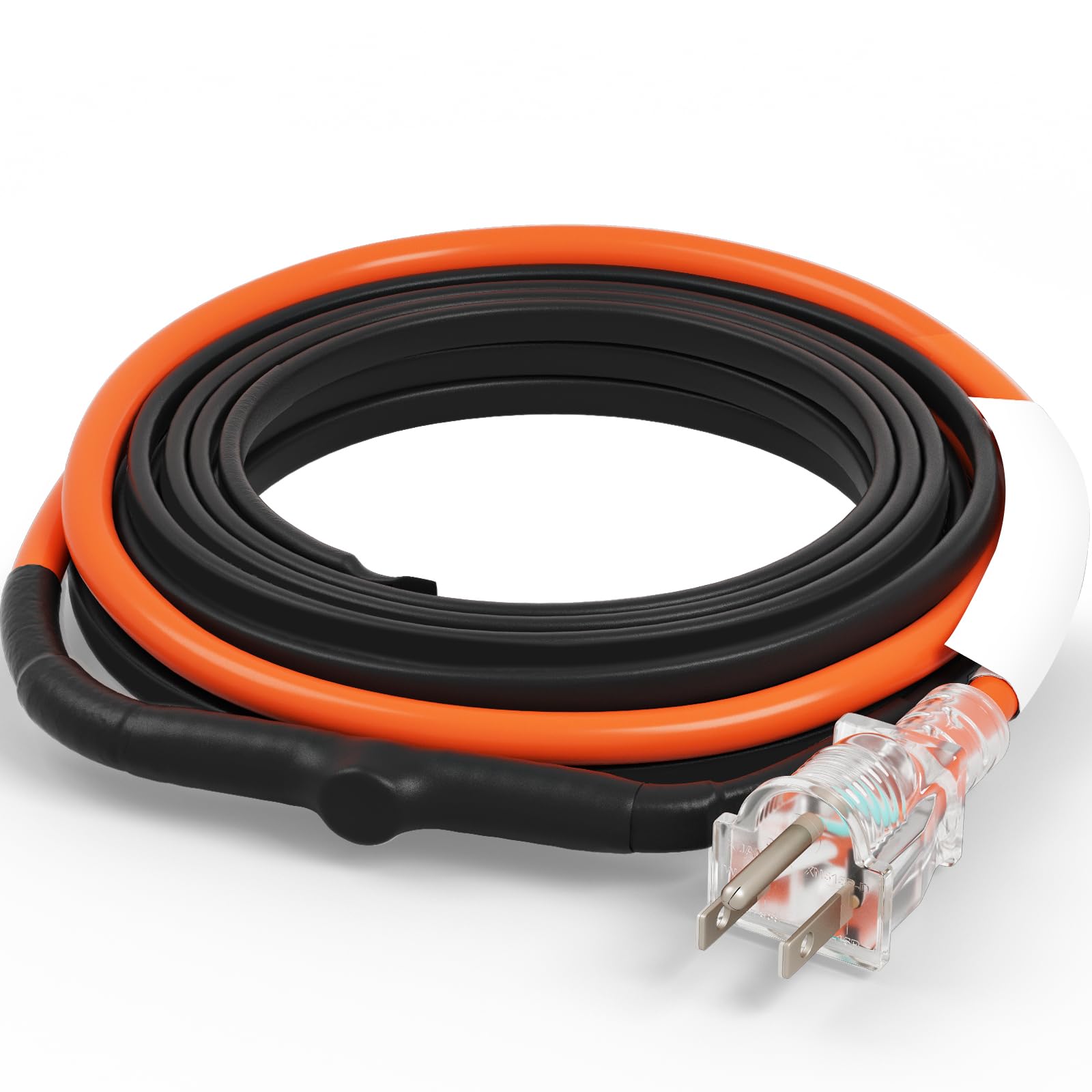
You’ll find this short‑length tape useful for tighter spaces like a small crawl‑space pipe or a garden hose that’s exposed to occasional cold snaps. The self regulating pipe heating cable with built in thermostat senses temperature drops and kicks in just enough heat to keep the water flowing, then backs off when it’s warm enough.
At 9 feet it’s easy to handle and store, and the flexible fiberglass cloth lets you wrap it around bends without fuss. If you need a compact, reliable solution for specific sections of pipe, this product is a solid pick.
What People Say
Reviewers often highlight how quickly the tape responds to cold and how reliable the heat output feels during extended freezes. The installation instructions receive frequent compliments for being clear and straightforward, and many note that the price is reasonable for the performance you get. Overall, owners seem confident that the cable delivers consistent protection without unnecessary complexity.
|
Pros |
Cons |
|---|---|
|
✅ Effective freeze protection for multiple pipe types |
❌ Shorter length may require multiple pieces for larger runs |
|
✅ Energy‑efficient self‑regulation |
❌ Black color can be visible if left exposed |
|
✅ Easy to install in confined spaces |
❌ No smart‑home or remote control options |
|
✅ Reasonable price for a 9‑foot length |
Problem‑Solving Ability
The tape prevents pipes from freezing even in sub‑zero temperatures, giving you confidence that water flow stays uninterrupted during winter.
Indoor / Outdoor Usability
Primarily suited for indoor areas such as basements and utility rooms, but it can also be applied in protected outdoor spots where it’s shielded from direct weather.
Key Benefits
- Self‑regulating heating adjusts automatically
- Built‑in thermostat saves energy
- Compact 9‑foot length fits tight areas
- Works on PVC, metal and plastic pipes
Current Price: $23.38
Rating: 4.5 (total: 886+)
FAQ
How does a self regulating pipe heating cable with built in thermostat actually work?
You can think of the cable as a smart blanket for your pipes. When the surrounding temperature drops, the built‑in thermostat senses the change and the cable automatically increases its heat output. As the pipe warms up and the temperature rises, the thermostat reduces the power to prevent overheating, so you get continuous protection without having to monitor the system yourself.
What length and power rating should I choose for my home’s pipe system?
You’ll want to measure the total length of the pipe sections you plan to protect and match that to the cable’s specified length – common options are 9 ft, 15 ft and 18 ft. For most residential water lines a power density of about 5 W per foot is sufficient; the cables from Tsolzdadi and VEVOR are designed to deliver that level safely.
If you have a longer run, you can join two cables end‑to‑end, but be sure the combined length does not exceed the manufacturer’s recommended maximum.
How do I install and maintain a self regulating pipe heating cable safely?
Start by cleaning and drying the pipe surface, then wrap the cable snugly along the length, keeping a small gap between turns to allow heat to circulate. Secure the ends with the supplied insulation sleeves and follow the manufacturer’s instructions for connecting the power source – most cables plug directly into a standard 120 V outlet.
After installation, check the cable periodically for any signs of wear or exposed wiring, and replace it if you notice damage. Regular visual checks are all that’s needed to keep the system reliable throughout the winter.
Wrapping Up
You now have three solid options that cover a range of budgets and pipe lengths. The Tsolzdadi Cable offers a straightforward, affordable solution for standard residential runs, the VEVOR 15ft Tape provides the strongest value for longer projects, and the VEVOR 9ft Tape gives a compact, high‑performance choice when space is limited. Whichever you select, the built‑in thermostat will keep the heat where it’s needed, helping you avoid frozen pipes and the stress that comes with them.
This Roundup is reader-supported. When you click through links we may earn a referral commission on qualifying purchases.