You may have noticed uneven temperatures in your home, drafts creeping through windows, or higher heating bills without a clear cause. A thermal imaging camera lets you see the invisible flow of heat, so you can pinpoint insulation gaps, air leaks, and inefficient HVAC components before they become costly problems.
By choosing the right device, you gain a practical tool for DIY home inspections, energy savings, and a more comfortable living environment. The guide below helps you find the best thermal imaging camera for home heat loss that matches your budget and skill level.
Top Picks
|
Category |
Product |
Price |
Score |
|---|---|---|---|
|
🏆 Best Budget |
$99.99 |
70/100 |
|
|
💰 Best Value for Professionals |
$359.10 |
92/100 |
|
|
⭐ Best Ease of Use |
$119.99 |
85/100 |
How We Chose the Best Thermal Imaging Cameras
We compared each camera against the features that matter most for household heat‑loss detection. Resolution and temperature range determine how clearly you can see problem areas and how extreme the temperatures you can measure are.
Battery life and ergonomics affect whether the device can be used for a full inspection without interruption. Connectivity and data export options let you keep records of your findings.
Finally, price and overall user feedback were weighed to ensure the recommendation offers real value for the intended audience.

You get a compact device that lets you spot hot and cold spots around the house without a technician. The 2.4‑inch color LCD shows a clear image, and the 15 palette options help you visualize temperature differences.
With a -4 °F to 1022 °F range it’s useful for checking windows, doors, ducts and even appliances. The built‑in battery means you can walk around a room or crawl under a floor without hunting for an outlet, making it a practical choice for the best thermal imaging camera for home heat loss you can use on the weekend.
What People Say
Most users appreciate how simple the BSIDE Thermo is to set up and start using straight out of the box. They like the rechargeable battery and the ability to save up to 30,000 images, which makes it handy for repeated inspections. Some mention the screen resolution feels modest, but they find it sufficient for basic home‑heat‑loss checks.
|
Pros |
Cons |
|---|---|
|
✅ Affordable entry price |
❌ Low screen resolution compared with pricier models |
|
✅ Rechargeable battery with good capacity |
❌ Only a 2‑year rating on Amazon |
|
✅ Multiple thermal palettes |
❌ Limited zoom capability |
|
✅ IP54 water resistance |
Durability
The IP54 rating protects the camera from splashes, and the rugged housing holds up well during typical DIY inspections around the house.
Energy Efficiency
A 2500 mAh built‑in battery provides several hours of continuous use, so you can scan multiple rooms on a single charge.
Key Benefits
- Portable and lightweight – easy to carry from room to room
- Adjustable emissivity for more accurate readings on different surfaces
- 15 color palettes let you highlight temperature variations quickly
- Data export to computer for keeping inspection records
Current Price: $99.99
Rating: 2 (total: 1+)
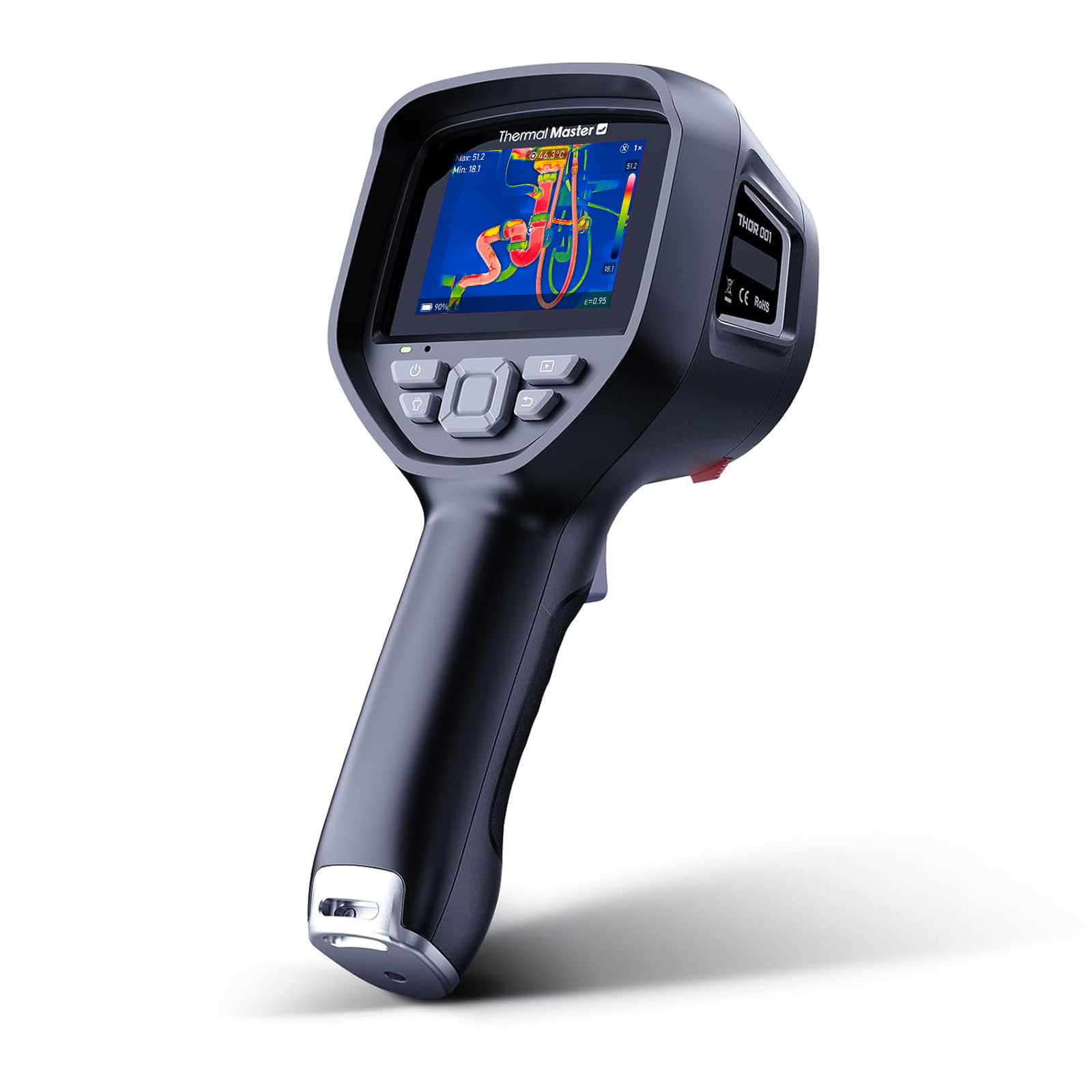
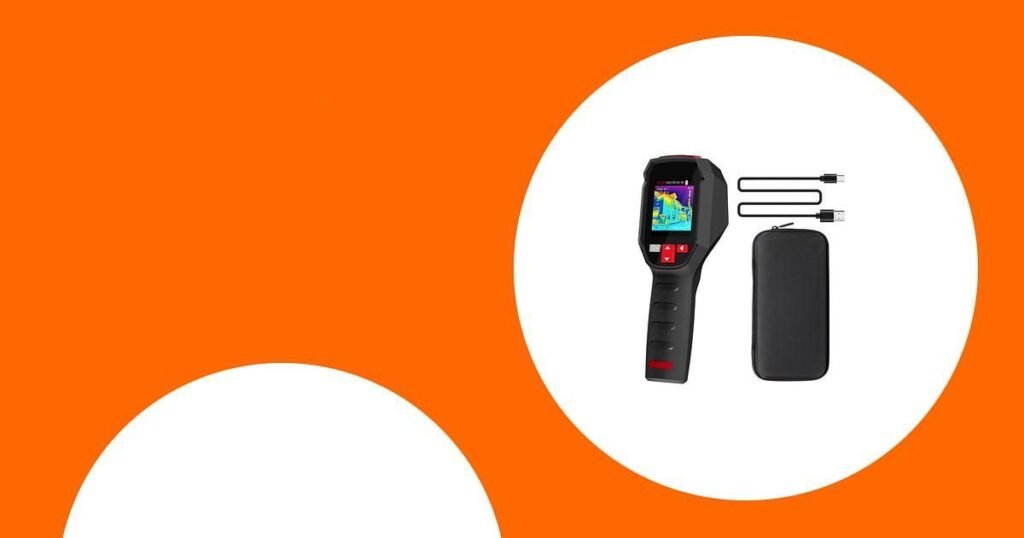
You’ll find the Thor 002 comfortable to hold while you walk around the house checking windows, doors and ductwork. The 512 × 384 pixel sensor gives you a clear picture of temperature differences, so spotting drafts or insulation gaps is straightforward.
Its robust build handles the occasional drop, and the long‑lasting battery lets you finish a full‑home inspection in one charge. For anyone looking for the best thermal imaging camera for home heat loss, this model delivers professional‑grade detail without the need for a lab.
What People Say
Customers consistently praise the image clarity and the ease of navigating the touchscreen interface. Many note that the battery life lasts through an entire house scan, and the device feels solid enough for regular field work. A few mention the price is higher than entry‑level models, but they feel the performance justifies the cost.
|
Pros |
Cons |
|---|---|
|
✅ Professional‑grade resolution |
❌ Higher price point |
|
✅ Long battery runtime |
❌ Slightly heavier than budget alternatives |
|
✅ Durable construction |
|
|
✅ Accurate temperature measurements |
Durability
The Thor 002’s rugged plastic shell and IP‑rated sealing protect it from drops and light moisture, making it suitable for on‑site inspections.
Energy Efficiency
A 3.2 Ah lithium‑ion cell supplies up to eight hours of operation, reducing the need for frequent recharging during a large inspection.
Key Benefits
- High resolution (512 × 384) for detailed images
- Wide temperature range suitable for most residential applications
- Rechargeable battery provides several hours of continuous use
- Rugged housing with IP‑rated protection
Current Price: $359.10
Rating: 4.6 (total: 285+)
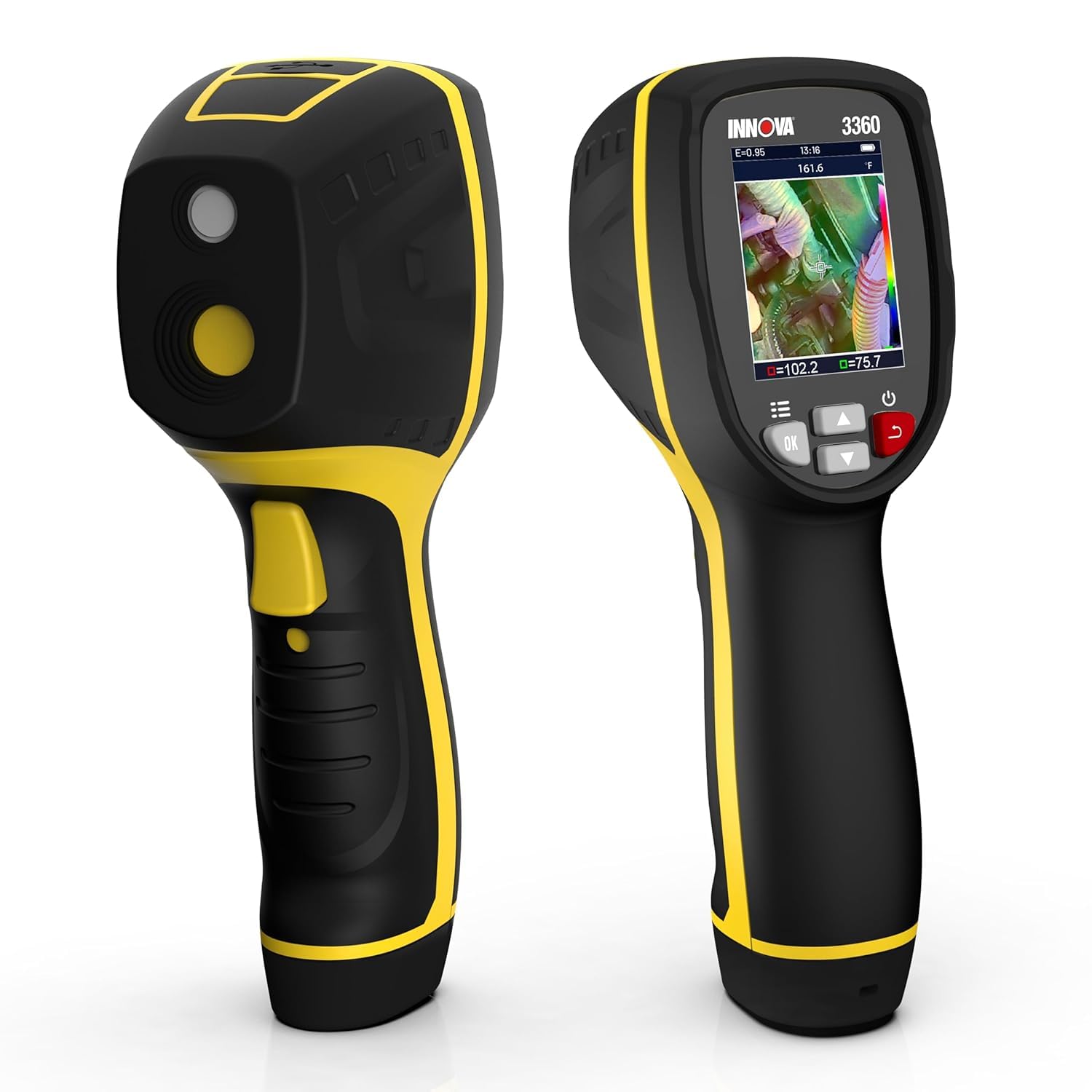
You can point the Innova 3360 at a wall, window or appliance and instantly see hot and cold spots on the tiny LCD screen. The device is light enough to slip into a toolbox, and the water‑repellent casing means you won’t worry about a splash in the garage. With a temperature span that covers most residential needs, it works for quick drafts checks, locating overheating wiring, or even checking solar panels on a sunny day.
It’s a solid pick if you want a straightforward tool that still packs enough power to be the best thermal imaging camera for home heat loss on a modest budget.
What People Say
Buyers appreciate how easy the 3360 is to pick up and start using, noting that the low‑resolution screen is sufficient for quick checks around the house. Many highlight its solid build and the fact that it delivers reliable temperature readings despite the modest pixel count.
A few mention the battery holder can be fragile, but overall the consensus is that the value‑for‑money ratio is hard to beat for basic home inspections.
|
Pros |
Cons |
|---|---|
|
✅ Very affordable |
❌ Low screen resolution |
|
✅ Lightweight and easy to carry |
❌ Battery compartment can be fragile |
|
✅ Water‑repellent design |
❌ Limited range requires close proximity |
|
✅ USB data export |
Durability
The water‑repellent exterior protects the camera from light moisture, and the plastic housing holds up well for routine indoor use.
Energy Efficiency
Powered by a rechargeable battery that lasts through several short inspections, and the USB charging option keeps power consumption low.
Key Benefits
- Simple one‑button operation
- Portable size fits in a pocket
- USB connection for easy data transfer
- Affordable price for home‑use performance
Current Price: $119.99
Rating: 4.2 (total: 44+)
FAQ
How do I choose the best thermal imaging camera for home heat loss?
You should start by looking at resolution, temperature range and how easy the device is to operate. A higher resolution gives you clearer images of hot and cold spots, but a mid‑range model like the BSIDE camera can still reveal drafts without breaking the bank.
Make sure the camera’s temperature span covers both freezing and scorching conditions, and that it has a rechargeable battery so you can move from room to room without hunting for power. Finally, consider whether you need extra features such as multiple color palettes or USB data export; these can make analysis easier once you’ve identified problem areas.
What temperature range do I need for detecting drafts around doors and windows?
For most residential draft checks a range that includes just below freezing up to a few hundred degrees is sufficient. Devices that measure from about -4 °F (‑20 °C) to over 1,000 °F (540 °C) – like the BSIDE and Thermal Master models – give you enough headroom to see the subtle temperature differences that indicate air leakage.
The wider the range, the more confidence you have that the camera will capture both cold air infiltration in winter and heat loss from warm‑water pipes or HVAC components.
How can I use a thermal camera to improve energy efficiency in my home?
You can scan walls, ceilings, windows and ductwork to locate spots where heat escapes or where insulation is missing. When you see a cold patch on a wall, seal the gap or add insulation, then rescan to verify the improvement.
This visual feedback helps you prioritize the most costly leaks first, which can lower heating bills and make your home more comfortable. Using the best thermal imaging camera for home heat loss regularly, especially after weather changes, lets you keep track of how well your fixes are performing over time.
Wrapping Up
All three cameras can reveal hidden drafts and insulation failures, but they serve different needs. The BSIDE Thermo provides an affordable entry point with solid temperature coverage and a rechargeable battery, making it a practical choice for occasional homeowners.
The Thermal Master Thor delivers professional‑grade resolution, a wide temperature span, and robust construction, ideal for serious DIYers or small‑scale contractors. The Innova 3360 balances ease of use with a user‑friendly interface and decent performance, fitting well for beginners who want reliable results without a steep learning curve.
By matching the device to your budget and inspection goals, you can confidently tackle heat loss and keep your home comfortable and efficient.
This Roundup is reader-supported. When you click through links we may earn a referral commission on qualifying purchases.